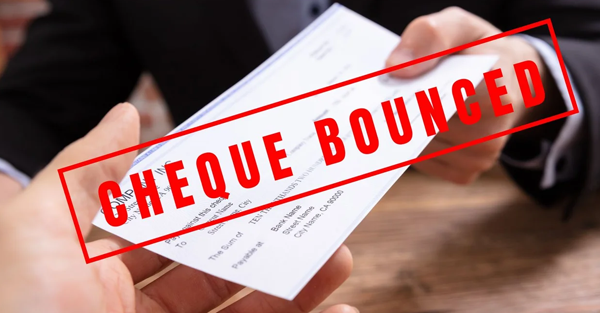

A bounced cheque is more than just a financial inconvenience; under Indian law, it is a serious criminal offense. Section 138 of the Negotiable Instruments (NI) Act, 1881, was specifically designed to inject credibility into commercial transactions and punish those who issue cheques without adequate funds.
However, the law regarding cheque bounces is heavily driven by strict timelines. Missing a deadline by even a single day can lead to the immediate dismissal of your case, regardless of how genuine your claim is. If a client or business partner has handed you a cheque that was returned for "Insufficient Funds" or "Account Closed," here is the exact legal roadmap you must follow.
Step 1: The 30-Day Rule (Sending the Legal Notice)
When you deposit a cheque and it bounces, your bank will return the physical cheque to you along with a Cheque Return Memo stating the reason for the bounce.
- The Clock Starts: From the exact date mentioned on the Cheque Return Memo, you have exactly 30 days to send a formal legal demand notice to the drawer (the person who issued the cheque).
- Notice Requirements: The notice must demand the exact amount mentioned on the cheque. Do not mix it up with other unliquidated damages or interest calculations in the primary demand clause. It is highly recommended to have an advocate draft this notice to ensure legal compliance.
Step 2: The 15-Day Grace Period
Once the drawer receives your legal notice, the law grants them a statutory grace period of 15 days to arrange the funds and make the payment.
You cannot file a court case during these 15 days. If the drawer pays the cheque amount within this window, the matter is resolved, and no criminal offense is deemed to have been committed.
Step 3: Filing the Criminal Complaint
If the 15-day grace period expires and the drawer still hasn't paid, the criminal offense under Section 138 is officially triggered.
The Critical Deadline
You have exactly 30 days from the end of the 15-day grace period to file a formal criminal complaint before the appropriate Judicial Magistrate. Filing on the 31st day will require an application for condonation of delay, which courts rarely grant without exceptional reasons.
Jurisdiction: According to the latest amendments, the case must be filed in the court holding jurisdiction over the bank branch where you (the payee) deposited the cheque for collection.
Claiming Interim Compensation (Section 143A)
Historically, cheque bounce trials dragged on for years, locking up the victim's capital. To combat this, the government introduced Section 143A to the NI Act.
Under this powerful provision, the court can order the drawer to pay Interim Compensation up to 20% of the cheque amount to the complainant right at the beginning of the trial (specifically, when the accused pleads not guilty). This ensures that the drawer cannot indefinitely delay the case without financial consequence, and provides immediate relief to the victim.
Penalties Under Section 138
If the court finds the accused guilty at the end of the trial, they can face severe consequences:
- Imprisonment for a term that may extend up to two years.
- A fine that may extend to twice the amount of the bounced cheque.
- Both imprisonment and fine.
Conclusion
A Section 138 case is highly procedural. While the law is designed to protect payees, its strict technicalities mean that a poorly drafted notice or a missed deadline can ruin your chances of recovery. Do not wait for the debtor to make empty promises while your 30-day window expires. Act swiftly and engage competent legal counsel to secure your funds.